
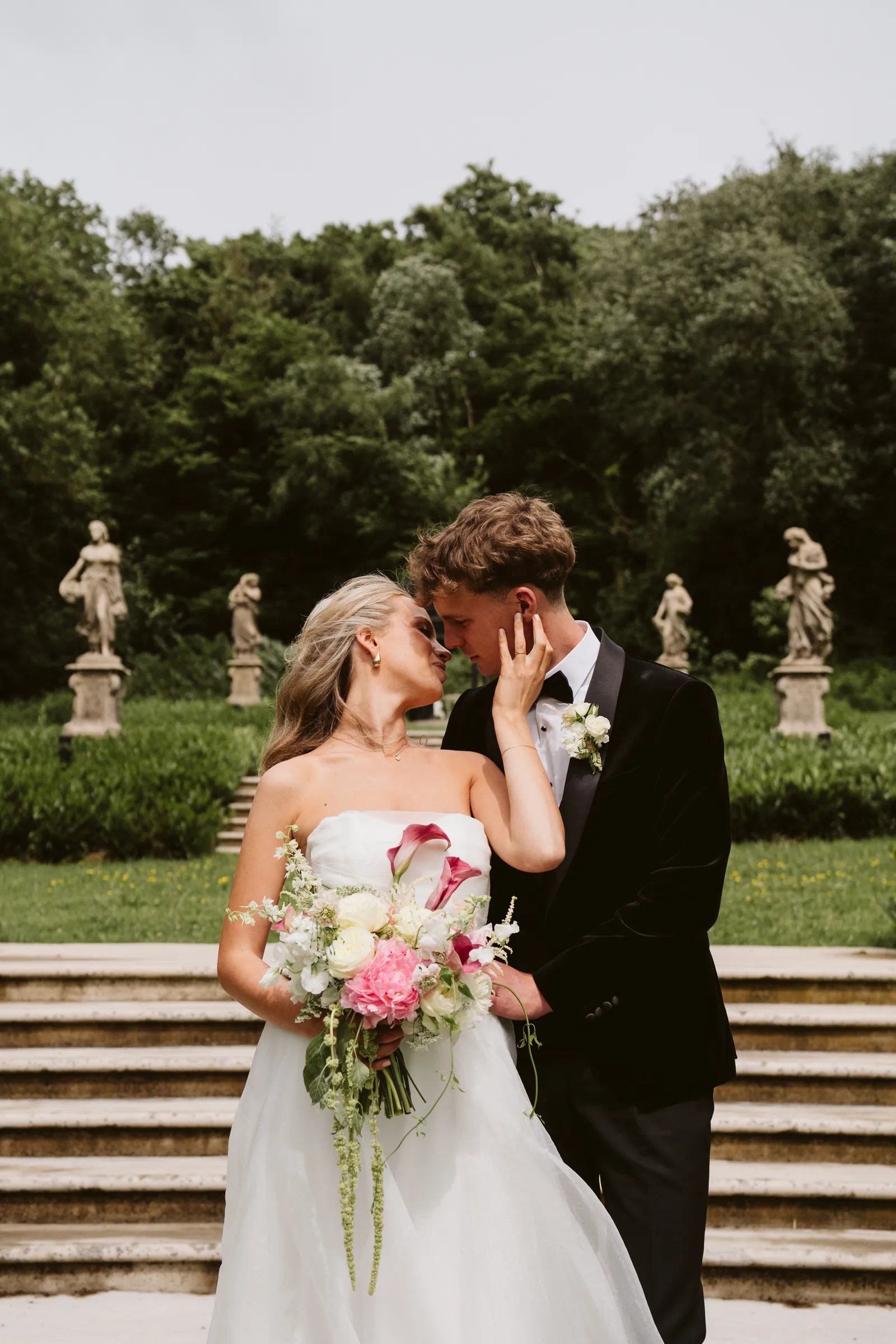
Preserving Your Wedding Bouquet: Best Options for Saving Your Flowers After the Big Day
We’re guessing if you’re reading this, you or someone close to you is getting married soon, or you’ve literally just got back from your big day with a gorgeous bouquet sitting on your kitchen table in a vase. First off, huge congratulations! Over the years we’ve styled hundreds of arrangements for couples across Belfast, County Antrim, County Down, and right across the country, and one question pops up at setup almost every single weekend. Couples always ask what on earth they should actually do with their stems once the music stops and the hangover kicks in. You spent months picking out the exact shade of foliage, choosing lush garden roses, and building a floral style that feels totally you, so watching those fresh petals droop after three or four days feels like a bit of a shame. Luckily, wedding flower preservation northern ireland options have come a huge way in recent years. You don’t just have to hang your stems upside down in a dark wardrobe like your mum did in the nineties, though that still works pretty well if you like a rustic vintage look. Today you can turn those blooms into heavy resin paperweights, framed botanical art, or dainty glass jewellery that keeps your wedding memories fresh for decades.
Why Preserving Your Bridal Blooms Matters
When the confetti gets swept up and your dress goes off to the dry cleaners, your bouquet is one of the few physical pieces of your day that you can actually hang onto and look at every single afternoon. Plenty of couples we chat to during consultation calls tell us they wish they had thought about preservation well before the morning of the wedding, simply because they didnt realise how attached they would get to their flowers once they held them walking down the aisle.
Your bouquet is front and centre in almost every single official photo from your ceremony right through to your evening portraits. Holding those exact flowers in your hands as you sit on your sofa months later brings back the exact feeling of walking into your venue or taking pictures around Belfast city centre. Beyond pure sentimentality, turning your wedding flowers into a piece of art gives your home a bespoke touch that is totally personal to your story. Instead of buying a mass-produced print off the high street, you get to feature the actual roses, eucalyptus, or dried seed pods that decorated your top table.
Best Methods for Wedding Flower Preservation in Northern Ireland
There are a few clear routes you can take when saving your bouquet, and the right choice usually comes down to your personal interior style and how much space you have on your shelves at home.
Resin Casting for Modern Keepsakes
Resin preservation has become incredibly popular among local couples over the last couple of years, and it is easy to see why. A preservation artist takes your fresh stems, dries them out completely using specialised powders, and then carefully arranges the dried petals inside clear liquid resin. Once cured, you end up with a solid, crystal-clear block, serving tray, or ring dish that holds three-dimensional flowers frozen in time.
This option works brilliant for thick, structural flowers like grand roses, ranunculus, and spray carnations. The finished pieces feel sturdy and substantial, making them perfect display items for coffee tables or windowsills. The main thing to note with resin is that dark red or heavy burgundy petals might darken slightly during the drying phase, while white petals can take on a soft, vintage ivory tone. It is all part of the natural charm of working with real botanical elements.
Pressed Flower Frames for a Classic Look
For houses that lean towards classic or minimalistic styling, pressed flower frames are a magnificent choice. With pressed preservation, individual blooms and delicate greenery branches are carefully deconstructed petal by petal, flattened inside heavy presses or wooden boards, and then painstakingly reconstructed like a puzzle onto archival art paper. The finished arrangement is sealed inside a float frame where you can see straight through the glass around the edges of the flowers.
Pressed displays take up zero floor space and look beautiful hanging as part of a gallery wall in a hallway or bedroom. Modern pressing techniques retain vibrant petal blues, pinks, and greens remarkably well. Thin, delicate blooms like cosmos, sweet peas, anemones, and fern leaves press down flat like a dream, giving a sweet, romantic botanical print appearance that fits right in with traditional or modern home decor.
Drying Flowers with Silica Gel Crystals
Those wanting their flowers to stay three-dimensional without choosing heavy resin often find silica gel drying to be the ideal middle ground. Silica gel consists of tiny granules that pull every drop of moisture out of fresh flower heads while preserving their natural 3D shape and ruffle details without flattening them at all.
Once fully dried inside a sealed container of gel for a couple of weeks, the flowers are arranged into a wooden shadow frame or placed inside a classic bell glass dome display. This method keeps the full structural look of your bouquet looking as close to the wedding morning setup as physically possible.
Traditional Air Drying at Home
Anyone looking to skip hiring a professional studio or wanting to avoid spending extra money after the honeymoon can turn to traditional air drying as the easiest DIY path. Strip away the lower leaves, trim the stem ends slightly, tie the bouquet securely with twine, and hang the whole bundle upside down in a dark, warm, well-ventilated space like an airing cupboard or a dry spare bedroom.
Leaving the flowers upside down keeps gravity pulling the stems straight while the moisture evaporates naturally. Air-dried flowers will shrink a bit, and their colours will shift towards muted, antique dusty tones, but plenty of local brides love that moody, everlasting autumnal aesthetic on a mantlepiece or sideboard.
How to Look After Your Flowers on the Wedding Day
No matter which preservation route you pick, the end result depends heavily on how well those stems are treated during your celebration. In our experience, flowers that get left out of water in a warm room for hours end up bruised and dehydrated, making them much harder to preserve beautifully later on.
Keeping stems in fresh water whenever possible makes a massive difference. When you arrive at your reception after photos, don’t just dump your bouquet flat on a wooden top table where stems dry out and lower petals get squished. Ask your wedding coordinator or your florist to put a vase of cold water at your top table seat so you can pop the stems straight in whenever you aren’t holding them for photos.
Avoid throwing your main bridal bouquet during dancefloor games. Asking your florist to make a smaller, budget-friendly throw bouquet or using a spare bridesmaid cluster keeps your main bridal flowers safe. Dropping your main bouquet onto a venue parquet floor will bruise delicate petals beyond repair.
Keeping your stems away from heat is equally important. When getting married in the height of summer or sitting inside a warm glass marquee, keep your stems out of direct sunlight, hot radiators, or sunny windowsill spots. Cool room temperatures keep stem tissue crisp and fresh.
Mentioning your preservation plans to your florist ahead of time helps tremendously. When ordering your wedding flowers, tell us that you intend to send your stems for preservation. We can easily pack a couple of spare loose stems from your floral recipe into your delivery box so your preservation artist has crisp back-up blooms to work with if any main bridal petals get damaged during late-night dancing.
Booking a Preservation Specialist in Northern Ireland
Deciding to hire a professional preservation studio in Belfast or surrounding areas like Lisburn, Bangor, or Ballymena requires getting your timing right. Most talented preservation artists operating across Northern Ireland run small artisan studios and take on a limited number of bouquets each weekend to make sure every single piece gets individual hand-crafted attention.
Booking your preservation slot three to six months before your wedding date prevents last-minute panics. After the wedding night wraps up, your flowers need to reach the preservation studio within 24 to 48 hours for ideal results. Assigning a trusted bridesmaid, family member, or groomsman to drop the flowers off at the specialist’s studio or post them using a guaranteed next-day courier service while you head off on your honeymoon keeps the process stress-free.
Which Wedding Flowers Preserve Best?
Not all fresh stems behave the same way once moisture leaves their cells. Knowing how your specific floral palette behaves helps manage expectations for your final display piece:
Roses and Ranunculus: These hearty, multi-petalled blooms are absolute champions for resin, pressing, and silica drying. They keep their strong circular form and structural elegance effortlessly through the whole drying process.
Gypsophila, Delphinium, and Hydrangeas: Small textured blooms dry down exceptionally well, retaining fantastic structure and charming colour pops that add variety to glass frames and resin blocks.
Eucalyptus, Olive Leaf, and Ferns: Greenery foliage adds movement and lush depth to pressed frames and resin blocks, keeping that natural local countryside garden feel alive long after the event.
Lilies and Soft Flesh Flowers: Flowers with watery, thick petals like tulips, calla lilies, or certain orchids can become translucent or papery when dried. A good preservation specialist will guide you on how these specific flowers perform and might recommend swapping them for similar sturdy varieties in your display arrangement.
Plan your wedding flowers with Willow & Sage
For more ideas, see our wedding flower services and our wedding portfolio. Our full-service wedding floral design starts from a minimum investment of £2,500. Consultations are complimentary, so get in touch to check availability for your date.
Frequently Asked Questions
How soon after the wedding should I drop off my bouquet for preservation?
Your wedding bouquet should ideally reach a professional preservation specialist within 24 to 48 hours after your ceremony. Keeping the stems in fresh, cold water and in a cool room right up until handoff keeps the petals crisp and prevents wilting.
Can I preserve my flowers if they are already starting to droop or dry?
Yes, drooping or partially dried bouquets can still be preserved using traditional air drying or pressed methods. However, three-dimensional resin casting requires fresh stems that haven’t lost their cellular structure, so getting them to the specialist quickly yields the best results.
How long do preserved wedding flowers last in resin or frames?
Professionally preserved wedding flowers inside UV-resistant resin or sealed glass frames can last for decades without significant decay. Keeping your preserved artwork out of direct, harsh sunlight prevents natural petal pigment fading over time.
How much does professional wedding flower preservation cost in Northern Ireland?
Prices across Northern Ireland typically range from £120 for smaller pressed frames or resin coasters up to £350 or £500 for large resin display blocks and custom multi-frame collections. Costs reflect the many weeks of slow drying, delicate hand-assembly, and resin pouring required to finish each piece.